Kisspeptin-10 10mg Injection: What You Need to Know
Wiki Article
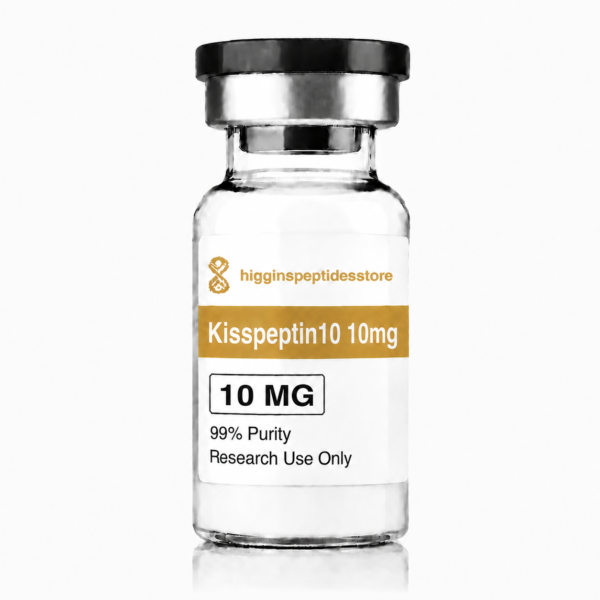
Kisspeptin-10 is a synthetic peptide derived from the naturally occurring hormone kisspeptin, which plays a critical role in regulating the reproductive endocrine system. Researchers have extensively studied kisspeptin because of its ability to stimulate the release of gonadotropin-releasing hormone (GnRH), a key hormone involved in fertility, puberty, and reproductive health.
A Kisspeptin-10 10mg injection typically contains 10 milligrams of lyophilized (freeze-dried) peptide intended for research or investigational use.
What Is Kisspeptin-10?
Kisspeptin is a naturally occurring family of peptides encoded by the KISS1 gene. Kisspeptin-10 is one of the shortest active forms and retains the biological activity necessary to activate the GPR54 receptor (also known as the kisspeptin receptor).
Scientists have identified kisspeptin as a major regulator of the hypothalamic-pituitary-gonadal (HPG) axis, which controls reproductive hormone production.
How Does Kisspeptin-10 Work?
Kisspeptin-10 binds to receptors in the hypothalamus, stimulating the release of GnRH. GnRH then signals the pituitary gland to release:
- Luteinizing Hormone (LH)
- Follicle-Stimulating Hormone (FSH)
These hormones influence reproductive function in both men and women, including:
- Testosterone production
- Estrogen regulation
- Ovulation
- Sperm production
- Sexual maturation
Because of this mechanism, kisspeptin has become an important focus of reproductive medicine research.
Areas of Scientific Research
Fertility Research
Kisspeptin is widely studied for its potential role in fertility treatments and reproductive endocrinology.
Researchers investigate its influence on:
- Ovulation induction
- Reproductive hormone regulation
- Assisted reproductive technologies
- Fertility disorders
Puberty and Development
The discovery of kisspeptin's role in initiating puberty has led to extensive research into:
- Delayed puberty
- Precocious puberty
- Developmental endocrine disorders
Male Reproductive Health
Studies have explored how kisspeptin affects:
- Testosterone secretion
- Gonadotropin production
- Reproductive hormone balance
Female Reproductive Health
Researchers have investigated kisspeptin's potential involvement in:
- Ovulatory function
- Menstrual cycle regulation
- Fertility management
- Reproductive hormone signaling
Potential Benefits Observed in Research
Research has suggested that Kisspeptin-10 may influence:
- Natural reproductive hormone release
- LH and FSH production
- Testosterone regulation
- Ovulation-related processes
- Fertility-related signaling pathways
However, many applications remain under active investigation and require additional clinical research.
Potential Side Effects
Human studies and clinical investigations have reported that kisspeptin is generally well tolerated, although some participants have experienced:
- Mild headaches
- Flushing
- Injection-site discomfort
- Temporary changes in hormone levels
- Mild nausea
The long-term safety profile continues to be studied.
Regulatory Status
Kisspeptin-10 is primarily considered a research peptide and is not broadly approved by major regulatory agencies for routine clinical use in most countries.
Its use remains largely confined to:
- Clinical research
- Academic studies
- Investigational protocols
Regulatory requirements vary by jurisdiction.
Storage and Handling
Kisspeptin-10 is typically supplied as a lyophilized powder and generally should be:
- Stored in a cool, dry location before reconstitution
- Protected from direct sunlight
- Refrigerated after reconstitution if recommended by the manufacturer
- Handled using sterile procedures
Always follow the storage recommendations provided by the supplier.
Who Is Interested in Kisspeptin Research?
Kisspeptin research attracts interest from specialists in:
- Reproductive medicine
- Endocrinology
- Fertility science
- Hormonal health
- Developmental biology
Its central role in reproductive hormone regulation makes it one of the most important peptide systems studied in modern reproductive research.
Future Research Directions
Scientists continue to investigate:
- Fertility treatment applications
- Hormonal regulation strategies
- Reproductive disorders
- Puberty-related conditions
- Endocrine system optimization
Ongoing clinical studies may further clarify the therapeutic potential of kisspeptin-based compounds.
Conclusion
Kisspeptin-10 10mg is a synthetic peptide that plays a crucial role in regulating reproductive hormones through activation of the hypothalamic-pituitary-gonadal axis. Research has highlighted its importance in fertility, hormone regulation, puberty, and reproductive health.
While the scientific findings are promising, Kisspeptin-10 remains primarily a research compound, and many of its potential applications continue to be evaluated through clinical studies. Anyone considering peptide-based therapies should seek guidance from qualified healthcare professionals and rely on evidence-based medical information.
Report this wiki page